

 中文简体
中文简体Branschnyheter


What Makes Magnesium Alloy Kitchen Appliances Stand Out?
Jul 15, 2026
What Makes Magnesium Alloy Kitchen Appliances Stand Out?
Magnesium alloy kitchen appliances stand out primarily because magnesium is one of the lightest structural metals used in cookware manufacturing, while still offering strong heat conduction and a stable cooking surface. This combination allows products such as a grill pan, an electric baking pan, or a stockpot to heat more evenly across the cooking surface while remaining noticeably lighter to lift, pour, and clean compared to many traditional metal alternatives. The lighter weight also reduces strain during daily handling, which is a practical benefit for households using cookware frequently for grilling, baking, or steaming. Beyond weight, magnesium alloy is valued in kitchen appliance manufacturing for its dimensional stability under repeated heating and cooling cycles, which supports consistent surface performance over time. The sections below examine the material science, thermal performance, and practical application of magnesium alloy in modern kitchen appliances, using comparative data to illustrate these characteristics.
Understanding Magnesium Alloy as a Cookware Material
Magnesium alloy is produced by combining magnesium with small proportions of other elements, such as aluminum or zinc, to improve strength and casting behavior while preserving magnesium's naturally low density. According to general metallurgical references, including materials science overviews published by the American Society for Metals, magnesium is approximately one-third lighter than aluminum by volume and significantly lighter than iron-based alloys, which explains why magnesium alloy cookware is frequently marketed on the basis of reduced weight. In kitchen appliance applications, this material is typically die-cast into the body of the appliance, then finished with a coated cooking surface to support food release and easy cleaning. The casting process also allows for consistent wall thickness across the cooking surface, which contributes to more even heat distribution compared to appliances with irregular material thickness. This structural consistency is a key reason magnesium alloy has become a material of interest for magnesium alloy kitchen appliances such as grill pans, baking pans, and pots designed for regular household use.
Heat Distribution Performance Across Cookware Materials
One of the most frequently cited advantages of magnesium alloy in cookware design is its favorable thermal conductivity relative to its weight, which allows heat to spread across the cooking surface more evenly than in some heavier traditional materials.
Relative Thermal Conductivity by Cookware Material
This horizontal bar chart compares the relative thermal conductivity of magnesium alloy against two commonly referenced cookware base materials, with a longer bar indicating faster and more even heat transfer across the cooking surface. Magnesium alloy shows the strongest relative conductivity in this comparison, which supports quicker preheating and more uniform surface temperature during grilling or baking tasks. Cast iron, while valued for heat retention once hot, generally conducts heat more slowly and can develop uneven hot spots during the initial heating phase. Stainless steel sits between the two, offering moderate conductivity that is often improved in practice through multi-layer construction with a conductive core. For appliances such as a magnesium alloy grill pan, faster and more even conductivity translates into more consistent searing across the entire cooking surface rather than concentrated hot zones near the heat source. This comparison illustrates why material selection has a direct, measurable effect on cooking performance rather than being a purely cosmetic consideration.
Weight Comparison and Everyday Handling
Weight is a practical factor in daily kitchen use, particularly for appliances that are lifted, tilted, or moved frequently, such as a magnesium alloy electric baking pan or a stockpot filled with liquid.
Average Relative Weight by Cookware Material
This bar chart illustrates average relative weight across the same three cookware material categories, with a shorter bar representing a lighter product for a comparable size and thickness. Magnesium alloy consistently appears as the lightest option in this comparison, consistent with its lower material density relative to iron and steel based materials. Cast iron typically shows the tallest bar, reflecting its density and the thicker wall sections often used to maximize heat retention. Stainless steel falls in between, since it is lighter than cast iron but generally heavier than magnesium alloy at equivalent thickness. For a magnesium alloy pot used for daily cooking tasks such as boiling or steaming, reduced weight can make it noticeably easier to lift, drain, and store compared to a similarly sized cast iron or heavy-gauge stainless steel pot. This weight advantage is one of the most consistently cited benefits of magnesium alloy in general cookware material comparisons.
Structural Overview of a Magnesium Alloy Cookware Body
The diagram below presents an isometric view of a typical magnesium alloy cookware body, illustrating the general construction layers commonly used across grill pans, baking pans, and pots in this material category.
This annotated isometric illustration outlines the general structural layers found in magnesium alloy cookware, showing the relationship between the cast body, the coated cooking surface, and the handle assembly. The magnesium alloy body forms the primary structural layer, cast to a consistent wall thickness that supports even heat distribution across the base and sides of the appliance. A coated cooking surface sits above this structural layer, providing a smooth, food-safe finish that supports easy release and cleaning after use. The heat-resistant handle is typically attached separately using a mounting method designed to remain cool to the touch during normal cooking temperatures. The base heat distribution layer refers to the thickened lower section common in magnesium alloy appliance design, which helps spread heat evenly from the source across the full cooking surface. This general construction approach applies across the product range, including a grill pan, an electric baking pan, and a pot, with variations in shape and surface pattern depending on the specific cooking function.
Product Range: Grill Pan, Electric Baking Pan, and Pot
The magnesium alloy kitchen appliance category commonly includes several product types designed around different cooking methods, each applying the same base material to a different functional shape.
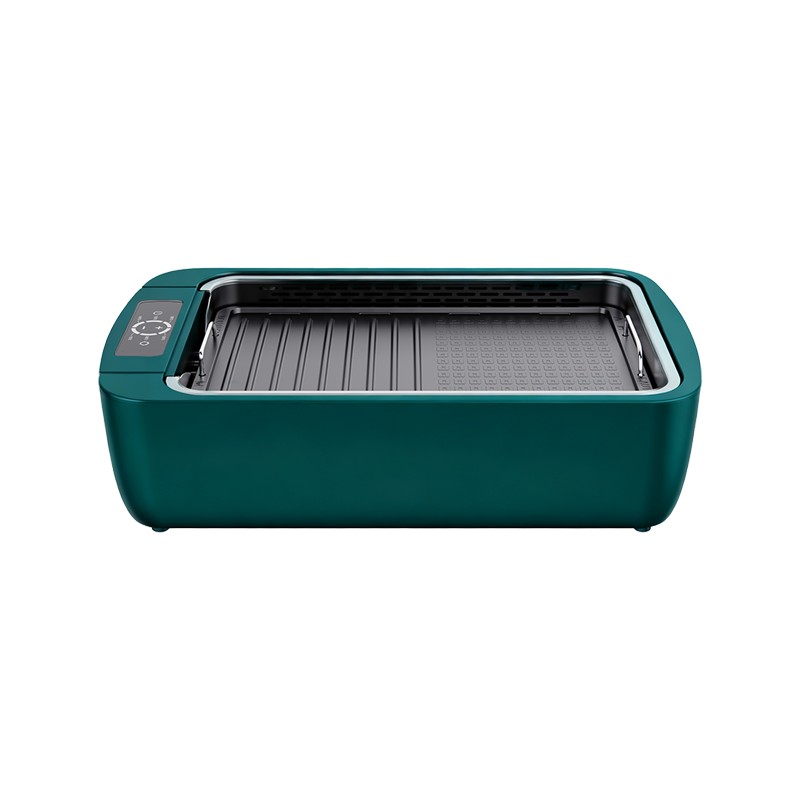
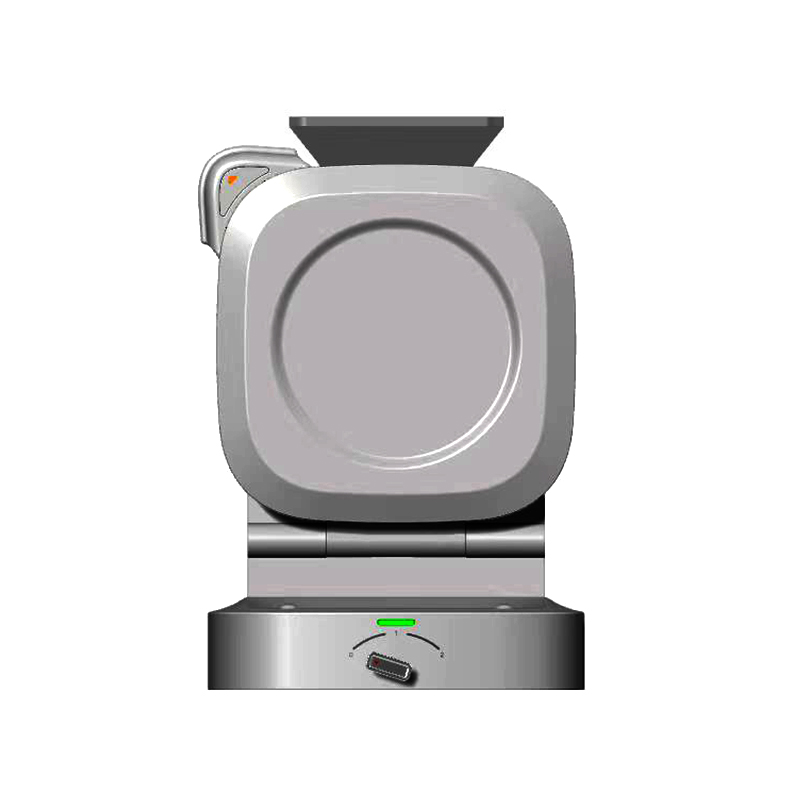
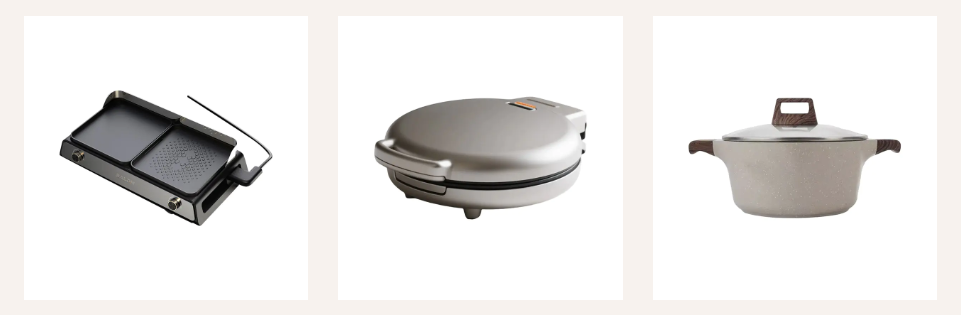 The magnesium alloy grill pan shown above is designed with a ridged or dual-zone cooking surface intended for direct grilling and searing tasks, taking advantage of the material's even heat spread to reduce uneven browning. The magnesium alloy electric baking pan integrates the same lightweight body into a self-contained appliance with built-in heating elements, commonly used for flatbread, waffles, or similar baked items requiring consistent top-and-bottom heat. The magnesium alloy pot applies the material to a deeper vessel shape suited to boiling, simmering, and steaming, with handles positioned for stable lifting despite the pot's reduced base weight. Across all three product types, the shared use of magnesium alloy construction reflects a broader design approach focused on combining reduced weight with dependable heat performance for everyday kitchen tasks.
Durability and Corrosion Resistance Profile
Long-term performance of magnesium alloy cookware depends on several combined factors, including surface coating quality, resistance to corrosion, structural durability under repeated heating, and ease of routine cleaning.
Performance Profile Across Key Durability Dimensions
This radar chart maps five performance dimensions relevant to evaluating magnesium alloy kitchen appliances: heat distribution, corrosion resistance, cleaning ease, light weight, and structural stability. Each axis represents a distinct quality factor, and the shaded shape formed across all five axes offers a visual sense of how balanced the overall performance profile is for this material category. Heat distribution and light weight extend furthest on this chart, consistent with the material properties discussed in earlier sections regarding thermal conductivity and density. Corrosion resistance depends heavily on the quality of the protective coating applied over the magnesium alloy base, since the base metal itself can be reactive if left uncoated or if the coating is damaged over time. Structural stability reflects how well the cast body holds its shape and surface finish through repeated heating and cooling cycles common in daily cooking use. Cleaning ease is generally supported by the smooth, coated cooking surface used across the product range, which reduces food residue adhesion compared to uncoated or rough-textured surfaces.
Common Use Cases for Magnesium Alloy Kitchen Appliances
General Usage Distribution by Cooking Task
This donut chart shows a general breakdown of how magnesium alloy cookware is typically applied across common household cooking tasks, based on general kitchen appliance usage patterns rather than a single proprietary survey. Grilling represents the largest segment, aligning with the popularity of ridged grill pan designs that benefit from the material's even heat spread during high-temperature searing. Boiling and steaming form the second largest segment, reflecting frequent use of magnesium alloy pots for everyday cooking tasks that require sustained, consistent heat. Baking follows, supported by electric baking pan designs that combine the lightweight body with built-in heating elements for items such as flatbread or waffles. The remaining smaller segment covers other specialized uses, including reheating and light sautéing tasks. Together, this distribution indicates that magnesium alloy kitchen appliances serve a broad range of everyday cooking functions rather than a single narrow application.
Choosing and Maintaining Magnesium Alloy Cookware
Selecting the right piece of magnesium alloy cookware and maintaining it properly can extend its usable life and preserve consistent cooking performance over time.
- Choose a grill pan, baking pan, or pot size appropriate to typical portion sizes and stovetop or countertop space, since larger surfaces require proportionally more preheating time.
- Allow the cooking surface to reach an even temperature before adding food, taking advantage of the material's fast, uniform heat conduction.
- Use utensils suited to the coated surface to help preserve the coating and maintain long-term food release performance.
- Clean the cooking surface promptly after use and allow it to dry fully, which supports the coating's corrosion resistance over repeated wash cycles.
- Store cookware in a manner that avoids scratching the cooking surface, such as separating stacked pieces with a protective liner.
| Appliance Type | Primary Cooking Function | Typical Surface Design |
|---|---|---|
| Magnesium Alloy Grill Pan | Grilling and searing | Ridged or dual-zone surface |
| Magnesium Alloy Electric Baking Pan | Baking flatbread and similar items | Flat, built-in heating element |
| Magnesium Alloy Pot | Boiling and steaming | Deep vessel with fitted lid |
About Ningbo Victor Electrical Technology Co., Ltd.
Ningbo Victor Electrical Technology Co., Ltd. specializes in the research, development, and manufacturing of kitchen appliances, dedicated to delivering convenient, efficient, and intelligent solutions for modern households worldwide. Since its establishment in 2019, the company has focused on product innovation and continuous expansion across key segments such as coffee machines, waffle makers, smokeless grill pans, and steam cookers, with magnesium alloy kitchen appliances forming part of this expanding product development focus. With a growing portfolio of self-developed models, the company has built a strong product lineup and an expanding presence in international markets.
Guided by the values of integrity, responsibility, and win-win collaboration, Ningbo Victor Electrical Technology Co., Ltd. continues to enhance its manufacturing foundation, quality control system, and automation capabilities. This ongoing investment supports consistent production standards across its appliance range, including the grill pan, electric baking pan, and pot models built on magnesium alloy construction described throughout this article.
Industry Trends in Lightweight Cookware Manufacturing
Interest in lightweight cookware materials has grown alongside broader consumer demand for kitchen appliances that are easier to handle without compromising cooking performance. Industry commentary on cookware material trends has noted increasing manufacturer attention to alternative alloys, including magnesium-based formulations, as a way to reduce product weight while maintaining favorable heat conduction properties. Companies such as Ningbo Victor Electrical Technology Co., Ltd. have continued to expand their use of magnesium alloy construction across grill pans, baking pans, and pots, reflecting a broader industry shift toward materials that balance functional performance with everyday practicality in household kitchens.
Frequently Asked Questions
Q1: What makes magnesium alloy lighter than other cookware materials?
Magnesium has a lower atomic density than metals such as iron or aluminum, which means a cast magnesium alloy body weighs less than a similarly sized piece made from heavier base metals, even at comparable wall thickness.
Q2: Is a magnesium alloy grill pan suitable for high-heat searing?
Yes, magnesium alloy's favorable thermal conductivity supports fast, even heat spread across the ridged surface, which helps reduce uneven browning during high-heat grilling and searing tasks.
Q3: How should a magnesium alloy pot be cleaned to preserve the coating?
Cleaning promptly after use with a soft sponge and mild dish soap, then drying fully, generally supports the coating's condition and helps maintain the corrosion resistance of the underlying magnesium alloy body.
Q4: Does a magnesium alloy electric baking pan heat evenly across the surface?
The combination of a consistent cast wall thickness and built-in heating elements is designed to support even heat distribution across the flat cooking surface, reducing the likelihood of unevenly cooked results.
KATEGORI
NYA PRODUKTER
Våra bästsäljare
Dedikerad till att producera köksmaskiner som är mycket välkomnade av kunder


Kontakta oss om du har några frågor
Följ oss
Följ våra sociala medier för att lära dig mer om våra uppdateringar
Kontakta
-

-

+86-13805815092
-

No. 11 Beihai Road, Xinqi Street, Beilun District, Ningbo City, Zhejiang-provinsen, Kina
Produktkategorier
